Those painful cramps during periods can make even a normal day feel difficult. Many women experience discomfort, pressure, or pain in the lower abdomen during their menstrual cycle. These menstrual cramps are a natural part of the body’s process as the uterus contracts to shed its lining.
However, the intensity of pain can vary. Some women feel mild discomfort, while others may struggle with strong cramps that interfere with daily activities.
The good news is that several natural and home remedies can help reduce period pain. Simple lifestyle changes such as staying hydrated, applying heat, eating healthy foods, and gentle exercise can make a big difference in managing menstrual cramps naturally. If period pain becomes severe or happens frequently, getting medical advice from an experienced gynecologist Dr. Deepak S. Kolte, known as the best gynecologist in Ravet, PCMC, can help identify the cause and provide the right treatment for better menstrual health.
What Are Menstrual Cramps?
Menstrual cramps refer to the pain that occurs in the lower abdomen before or during menstruation. This pain is medically known as Dysmenorrhea. It happens when the uterus contracts to help push out the menstrual blood.
Some women experience mild cramps that last for a short time, while others may have severe pain that interferes with daily routines.
Common Symptoms of Menstrual Cramps:
Menstrual cramps can be accompanied by several symptoms, such as:
- Lower abdominal pain or pressure
- Pain in the lower back
- Nausea or vomiting
- Fatigue or weakness
- Headache
- Bloating
The intensity of these symptoms may vary from woman to woman.
7 Effective Home Remedies for Menstrual Cramps:
Many simple home remedies can help reduce menstrual pain and make you feel more comfortable during periods.
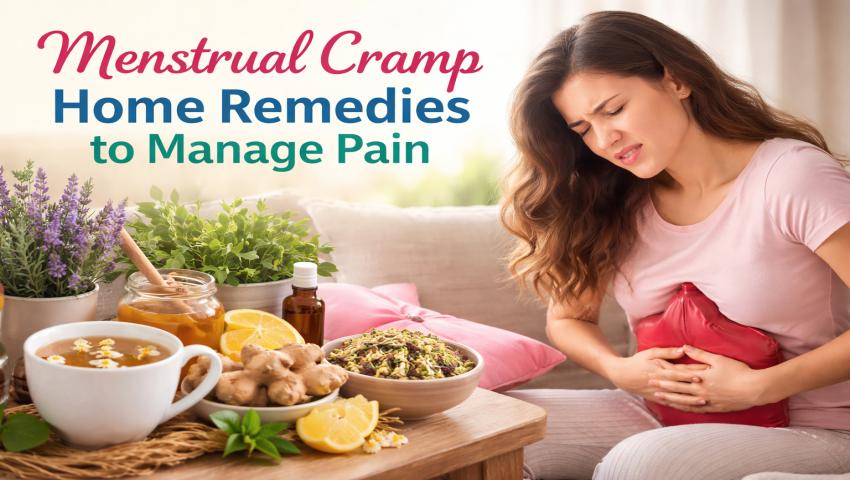
1. Apply Heat Therapy: Heat therapy is one of the most effective ways to relieve menstrual cramps. Placing a heating pad or a hot water bag on the lower abdomen helps relax the uterine muscles. It also improves blood circulation in the area, which can reduce pain and discomfort.
2. Drink Herbal Teas: Herbal teas can help soothe menstrual cramps and relax the body. Some helpful options include:
- Ginger tea, which helps reduce inflammation and pain
- Chamomile tea, which has calming and relaxing effects
- Cinnamon tea, which may help reduce menstrual discomfort
These warm drinks can also help relax the muscles and improve overall comfort.
3. Gentle Exercise and Stretching: Although exercise may seem difficult during periods, light physical activity can actually help reduce cramps. Gentle exercises like walking or stretching improve blood flow and release endorphins, which are natural pain relievers.
Certain yoga poses can also help relieve menstrual pain, such as:
- Child’s Pose
- Cat-Cow Pose
These poses help stretch the lower back and abdominal muscles, reducing tension and discomfort.
4. Massage with Essential Oils: A gentle abdominal massage can help relax the muscles and ease menstrual cramps. Essential oils like lavender oil or clary sage oil are known for their relaxing and anti-inflammatory properties. Mixing a few drops of these oils with a carrier oil and massaging the lower abdomen may provide relief.
5. Stay Hydrated: Drinking enough water during periods is very important. Warm water or herbal drinks can help reduce bloating and improve blood circulation. Staying hydrated may also help reduce the severity of cramps.
6. Eat Anti-Inflammatory Foods: Eating a healthy and balanced diet can help manage menstrual pain. Foods that reduce inflammation can be especially helpful, including:
- Fresh fruits and vegetables
- Nuts and seeds
- Whole grains
- Foods rich in magnesium and omega-3 fatty acids
These nutrients support overall health and may help reduce period pain.
7. Get Enough Rest: Proper rest and sleep are essential during menstruation. When the body gets enough rest, it can better manage pain and discomfort. Relaxation techniques like deep breathing, meditation, or simply lying down for a while can help reduce stress and ease cramps.
Common Causes of Menstrual Cramps:
Several factors can contribute to menstrual cramps. Understanding these causes can help in managing the pain more effectively.
- Hormonal Changes: During menstruation, the body releases hormone-like substances called prostaglandins. These chemicals trigger uterine contractions, which can lead to cramps and pain.
- Heavy Menstrual Flow: Women with heavy periods may experience stronger uterine contractions, which can increase the intensity of cramps.
- Underlying Medical Conditions: In some cases, menstrual cramps may be linked to certain medical conditions such as:
- Endometriosis – when tissue similar to the uterine lining grows outside the uterus
- Uterine Fibroids – noncancerous growths in the uterus
- Adenomyosis – when the uterine lining grows into the muscle wall of the uterus
- Stress and Lifestyle Factors: Stress, lack of exercise, poor diet, and inadequate sleep can also worsen menstrual cramps.
Foods to Avoid During Periods:
Certain foods may worsen menstrual cramps and should be limited during periods.
These include:
- Caffeine, which may increase muscle tension
- Processed and fast foods
- Excessively salty foods can cause bloating.
- Sugary foods that may lead to energy crashes
Avoiding these foods can help reduce discomfort and support better menstrual health.
When Should You See a Doctor for Menstrual Cramps?
Not all menstrual cramps are normal. If the pain becomes severe or affects daily life, medical consultation is important.
You should consult a doctor if you experience:
- Severe cramps that stop daily activities
- Extremely heavy bleeding
- Irregular periods
- Sudden worsening of menstrual pain
If you are experiencing severe menstrual pain, consulting Dr. Deepak S. Kolte, known as one of the best gynecologist in Ravet, PCMC, can help identify the exact cause and provide proper treatment.
Preventing Severe Period Pain: Tips from Dr. Deepak S. Kolte
Some healthy habits can help prevent or reduce the severity of menstrual cramps.
- Exercise regularly to improve blood circulation.
- Eat a balanced and nutritious diet.
- Practice stress management techniques like yoga or meditation
- Maintain a healthy body weight.
Adopting these lifestyle habits can support hormonal balance and improve overall menstrual health.
Conclusion:
Menstrual cramps are common, but they do not have to control your daily life. Simple home remedies like heat therapy, herbal teas, gentle exercise, proper hydration, and healthy foods can significantly reduce period pain.
However, if menstrual cramps become severe or persistent, it is important to consult a specialist.
For expert women’s healthcare, you can visit Dr. Deepak S. Kolte at Kolte Hospital,Ravet where advanced and compassionate gynecological care is provided to support women’s health at every stage of life.
Book your consultation today at Kolte Hospital, Ravet and get expert guidance for menstrual health and women’s wellness.
- Certified by : Dr. Deepak S.Kolte( 16+ years experience)
- MBBS, DGO, DNB (OBGY),
- FMAS Consultant Obstetrician,
- Gynecologist, Infertility & IVF Specialist