
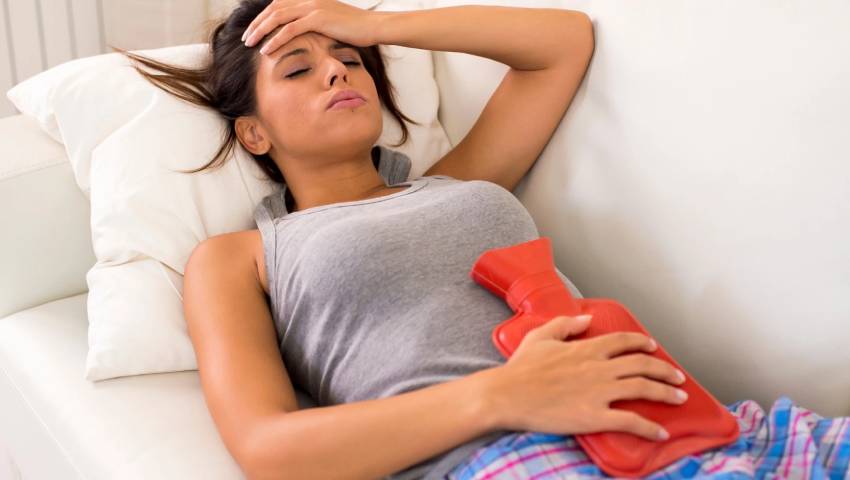
Menstrual cramps are something almost every woman experiences at some point in her life. For some women, the pain is mild and manageable. But for many others, the pain can be strong enough to disturb daily routine, office work, studies, sleep, mood, and overall quality of life. These painful cramps, also known as dysmenorrhea, usually happen due to uterine muscle contractions. When these contractions become stronger, or when hormones like prostaglandins increase, period pain feels more intense.
If you are someone searching for “how to relieve period pain naturally,” “menstrual cramp relief at home,” “natural remedies for menstrual cramps,” or “reduce period pain without medicine,” this guide will help you. These simple home remedies are safe, effective, and easy to follow. At Kolte Hospital, Ravet, PCMC, Pune, many women come with the complaint of severe cramps, back pain, pelvic pain, and heavy periods. Dr. Dipak S. Kolte, one of the best gynecologists in PCMC and Ravet, explains that while some pain is normal, very severe pain may indicate conditions like endometriosis, adenomyosis, PCOS, fibroids, or hormonal imbalance. So home remedies help, but timely medical care is important too.
Let’s understand menstrual cramps better and learn the 10 best natural ways to relieve period pain at home.
10 Natural Home Remedies to Relieve Menstrual Cramps:
Below are 10 simple, safe, and effective remedies.
1. Apply a Heat Pad or Warm Compress:
A hot water bag or heating pad relaxes the uterine muscles, improves blood flow, and reduces cramping instantly. Apply heat to the lower abdomen for 15–20 minutes. Warmth reduces muscle tightness and gives quick relief from pain. This is one of the most effective home remedies for menstrual cramps.
2. Stay Hydrated with Warm Water:
Drinking warm water reduces bloating, eases inflammation, and improves blood flow during periods. Staying hydrated prevents water retention, which can worsen cramps. Warm water also relaxes the pelvic muscles and helps reduce pain naturally.
3. Try Gentle Exercise & Yoga:
Light movement helps release natural painkillers (endorphins). Gentle stretching, walking, or yoga poses like Child’s Pose, Cat-Cow, and Cobra can ease cramps. These movements relax the back and pelvic muscles and reduce pain within minutes.
4. Herbal Teas for Period Pain Relief:
Herbal teas reduce inflammation and help relax the uterus.
- Ginger tea for strong pain relief
- Chamomile tea for relaxation
- Cinnamon tea to reduce inflammation
- Drinking these teas twice a day can ease cramps naturally.
5. Eat Anti-Inflammatory Foods:
A healthy diet plays a major role in reducing period pain. Include bananas, leafy greens, nuts, seeds, ginger, and berries. Avoid caffeine, fried food, excess salt, and junk food. Anti-inflammatory foods lower prostaglandins and help reduce cramps.
6. Gentle Abdominal Massage:
Massaging your lower abdomen in circular motions improves blood flow and reduces muscle tightness. Use warm oils like lavender or sesame oil for better relief. Massaging for 10 minutes daily during your period can reduce cramps effectively.
7. Magnesium & Vitamin B-Rich Diet:
Magnesium relaxes the muscles and reduces uterine contractions. Foods like almonds, spinach, pumpkin seeds, bananas, and dark chocolate help. Vitamin B-rich foods like eggs, whole grains, and legumes also support hormonal balance.
8. Hot Shower or Warm Bath Therapy:
A warm shower relaxes the lower back and pelvic muscles, reduces tension, and gives immediate relief. A warm bath with Epsom salt also works well for severe cramps and body pain.
9. Relaxation & Breathing Techniques:
Deep breathing, guided relaxation, meditation, and mindfulness help reduce stress, which is a major trigger for period pain. Relaxing your mind helps relax your body too, reducing overall discomfort.
10. Adequate Sleep & Stress Reduction:
Rest is essential during periods. Lack of sleep increases hormonal imbalance and pain sensitivity. Make sure to sleep 7–8 hours, reduce screen time, and avoid overexertion. Stress-reducing habits, such as yoga, music, and journaling, can also be beneficial.
When Are Menstrual Cramps Not Normal?
Not all cramps are normal. You should seek medical advice if:
- Pain is unbearable every month
- You miss work or school because of your periods
- Pain increases instead of reducing
- Periods are irregular or too heavy
- Pain starts before periods and continues after they end
- Pain happens even when you are not on your period
- Home remedies or painkillers do not help
Severe period pain may indicate conditions like:
- Endometriosis
- Adenomyosis
- Uterine fibroids
- Ovarian cysts
- PCOS
- Pelvic infections
When to See a Gynecologist for Menstrual Pain?
You should consult a gynecologist if:
- The pain is interfering with your daily life
- You are trying to conceive and have irregular cycles
- You have sudden, severe pain in the abdomen
- You suspect endometriosis or PCOS
- You notice clotting, spotting, or heavy bleeding
At Kolte Hospital, Ravet, PCMC, Pune, women receive complete care for period-related issues.
Dr Dipak S. Kolte, one of the best gynecologists in PCMC and Ravet, specialises in diagnosis and treatment of:
- Severe menstrual cramps
- Endometriosis
- Adenomyosis
- PCOS
- Hormonal imbalance
- Menstrual disorders
His approach focuses on understanding symptoms, offering personalised treatment, and ensuring long-term relief.
Conclusion:
Menstrual cramps are very common, but you don’t have to suffer in silence. These 10 simple natural remedies can help reduce pain at home and make your periods more comfortable. But if your cramps are severe, increasing, or affecting your daily life, you should see a gynecologist.
At Kolte Hospital, Ravet, PCMC, Pune, Dr. Dipak S. Kolte offers expert care for all menstrual problems, providing advanced diagnosis, treatment, and support.
If you face continuous pain, heavy bleeding, irregular periods, or fertility problems, book your appointment today.