
Parenthood is a beautiful dream, but for many couples in Pune, PCMC, and Ravet, getting pregnant naturally is not always easy. While searching for solutions, you may have come across terms like IVF and ICSI. These medical words can feel confusing at first. So, what exactly is ICSI in IVF? When is it needed? Is it better than IVF?
At Kolte Hospital, Pune led by Dr. Dipak S. Kolte, IVF Specialist in Ravet, PCMC we believe patients deserve clear and honest information. This blog explains ICSI vs IVF in simple words, how it works, who needs it, and how doctors decide if it is right for you.
Understanding IVF and Advanced Fertility Treatments:
What is IVF (In Vitro Fertilization)?
The IVF full form in medical terms is In Vitro Fertilization. “In Vitro” means “outside the body”.
In a standard IVF procedure:
- Eggs are collected from the woman
- Sperm is collected from the man
- Both are placed together in a lab dish
- Fertilization happens naturally
- The embryo is transferred to the uterus
IVF helps couples with blocked tubes, ovulation problems, endometriosis, or unexplained infertility.
Why Advanced Techniques Like ICSI Are Used in IVF?
Sometimes, IVF alone is not enough. If sperm count is very low or sperm cannot enter the egg, fertilization may fail. That is where ICSI fertility treatment procedure helps. It directly helps sperm fertilize the egg.
Evolution of ICSI in Modern Fertility Treatment:
ICSI (Intracytoplasmic Sperm Injection) was introduced in the 1990s and changed fertility care worldwide. Today, even men with very severe infertility can become biological fathers.
Advanced ICSI treatment in Pune is now available at trusted centres like Kolte Hospital, Ravet.
What Is ICSI in IVF? (Intracytoplasmic Sperm Injection Explained)
Definition of ICSI in IVF:
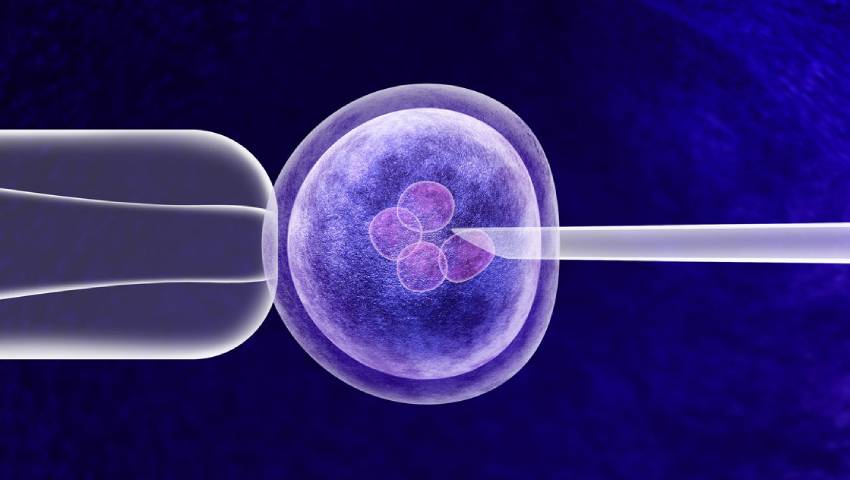
Many people ask: ICSI full form in medical? ICSI meaning? ICSI stands for Intracytoplasmic Sperm Injection. In simple words, one healthy sperm is injected directly into one egg using a microscope and fine needle.
How ICSI Works in the IVF Process?
In natural IVF, sperm must enter the egg on its own.
In ICSI, doctors help the sperm by injecting it directly.
This method is also called:
- Sperm injection IVF
- Intracytoplasmic sperm injection procedure
Difference Between Conventional IVF and ICSI in IVF:
Step-by-Step ICSI in IVF Procedure:
Ovarian Stimulation and Egg Retrieval:
The woman receives hormone injections (egg growth injections) for about 8–12 days. These injections help the ovaries produce multiple eggs.
Eggs are then collected through a short and safe procedure.
Sperm Collection and Preparation:
On the same day, the man provides a semen sample. The lab selects the best-quality sperm for injection. If sperm is not present in semen, it can be collected surgically.
Microscopic Sperm Injection (ICSI Technique):
Using a powerful microscope:
- One sperm is picked
- Injected into the egg’s cytoplasm
This is the actual intracytoplasmic sperm injection process.
Embryo Development and Monitoring:
After fertilization, embryos are observed for 3 to 5 days. Their growth and quality are carefully checked.
Embryo Transfer and Pregnancy Testing:
A healthy embryo is placed into the uterus. Pregnancy testing is done after 14 days.
When Is ICSI in IVF Recommended?
Dr. Dipak S. Kolte, one of the best IVF specialists in Pune, recommends ICSI in these cases:
- Very low sperm count
- Poor sperm movement
- Abnormal sperm shape
- No sperm in semen (surgically retrieved sperm)
- Failed IVF cycles
- Use of frozen eggs or sperm
- Unexplained fertilization failure
ICSI is especially helpful in male infertility cases.
ICSI vs Conventional IVF – Key Differences:
- IVF depends on sperm strength
- ICSI bypasses sperm weakness
- ICSI needs expert embryologists
- IVF is simpler and less costly
Doctors choose based on reports, not randomly.
Success Rate of ICSI in IVF:
ICSI improves fertilization rates, not a guaranteed pregnancy.
- Fertilization rate: 60–80%
- Pregnancy success depends on:
- Woman’s age
- Egg quality
- Uterine health
At Kolte Hospital, Ravet personalised care improves outcomes.
Benefits of ICSI in IVF:
- Best solution for male infertility
- Works even with very few sperm
- Useful after failed IVF
- Effective with frozen sperm or eggs
- Gives hope to difficult cases
Risks and Limitations of ICSI in IVF:
ICSI is safe, but possible risks include:
- Rare egg damage
- Slight genetic risk (very uncommon)
- Higher cost than IVF
Doctors explain everything before treatment.
Who Should NOT Opt for ICSI in IVF?
ICSI may not be needed if:
- Sperm count is normal
- No fertilization issues
- First IVF attempt
Unnecessary ICSI only increases cost.
How Doctors Decide Between IVF and ICSI?
Doctors evaluate:
- Semen analysis
- Previous IVF history
- Egg quality
- Female age
- Medical conditions
At Kolte Hospital fertility clinic, decisions are evidence-based.
Common Myths About ICSI in IVF:
ICSI Guarantees Pregnancy – Myth
Fact: It helps fertilization, not implantation.
ICSI Is Only for Men – Myth:
Fact: It also helps in egg-related issues.
ICSI Is Always Better Than IVF – Myth:
Fact: Each case is different.
Emotional & Psychological Aspects of ICSI Treatment:
Emotional Stress During Fertility Treatment:
Waiting, injections, and expectations can cause stress.
Coping Strategies for Couples:
- Talk openly
- Avoid self-blame
- Stay informed
Importance of Counseling & Support:
At Kolte Hospital Ravet, emotional support is part of fertility care.
Final Thoughts – Is ICSI in IVF Right for You?
ICSI is not for everyone, but for many couples, it is life-changing.
If you are struggling with infertility in Ravet, PCMC, or Pune, consult Dr. Dipak S. Kolte and the team at Kolte Hospital, Ravet, Pune provide:
- Honest guidance
- Advanced ICSI treatment
- Affordable care
- Personalised plans
Take the Next Step Toward Parenthood
📞 Book Appointment: 8042755821 / 7768072072