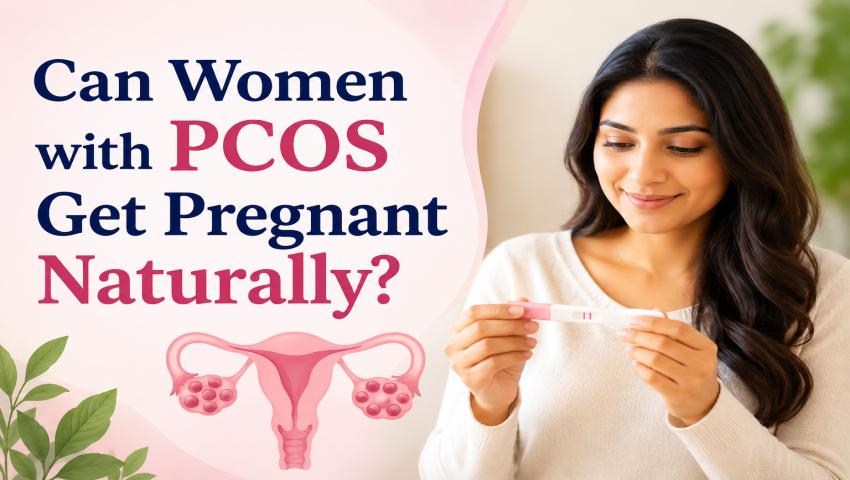
Being diagnosed with PCOS can raise a lot of questions. For many women, one question comes up almost immediately: “Will I be able to get pregnant?”
It’s a valid concern. PCOS is one of the leading causes of fertility-related challenges in women, so it’s natural to worry about how it might affect your chances of having a baby. The reassuring part is that a PCOS diagnosis doesn’t mean pregnancy is out of reach. Many women with PCOS become pregnant naturally and have healthy pregnancies. Others may improve their chances with simple lifestyle changes or medical support.
Early guidance can make a real difference. As a trusted Pregnancy Specialist doctor in Ravet, Dr. Dipak Kolte brings over 16 years of experience in helping women manage PCOS-related fertility concerns with personalised care and pregnancy support.
What Is PCOS?
Polycystic Ovary Syndrome (PCOS) is one of the most common hormonal conditions that affects women during their reproductive years. It happens when the body produces higher-than-normal levels of hormones called androgens, which can disrupt the natural balance of the menstrual cycle.
As a result, the ovaries may not release eggs regularly, making ovulation (the release of an egg from the reproductive organ) less predictable.
Common symptoms of PCOS include:
- Irregular or missed periods
- Excess facial or body hair growth
- Weight gain or difficulty losing weight
- Acne or oily skin
- Hair thinning on the scalp
- Difficulty conceiving
Not every woman experiences all these symptoms. In some cases, PCOS may only be discovered when fertility problems arise.
Why Does PCOS Affect Fertility?
PCOS can affect fertility because it often disrupts the body’s normal ovulation process. Ovulation is the release of an egg from the ovary, and it is a key step for natural conception. When ovulation becomes irregular or stops altogether, getting pregnant can become more challenging.
- Irregular Ovulation: For pregnancy to occur, the ovaries need to release a mature egg regularly. In women with PCOS, hormonal imbalances can interfere with this process and prevent ovulation from happening consistently. Some women may ovulate only occasionally, while others may not ovulate at all. Without the regular release of an egg, the chances of conception are reduced.
- Hormonal Imbalances: Women with PCOS often have higher levels of androgens, sometimes called male hormones. These hormones can affect the growth and development of ovarian follicles, which contain the eggs. As a result, eggs may not mature properly or be released at the right time. This can lead to irregular periods, unpredictable ovulation, and difficulty becoming pregnant.
- Insulin Resistance (when insulin stops working effectively): Many women with PCOS also experience insulin resistance, a condition in which the body’s cells do not respond effectively to insulin. To compensate, the body produces more insulin than usual. Insulin: A hormone that helps the body control blood sugar levels by moving sugar from the blood into cells for energy. Higher insulin levels can further disrupt hormone balance and increase androgen production. Over time, this can make ovulation even less predictable and affect the chances of natural conception if left unmanaged.
Can Women with PCOS Get Pregnant Naturally?
Yes, many women with PCOS do get pregnant naturally. While PCOS can make it harder to conceive, it doesn’t mean pregnancy isn’t possible. In fact, many women become pregnant without medical treatment, especially when ovulation (the release of an egg from the ovary) happens regularly.
For others, small lifestyle changes or fertility support can improve the chances of pregnancy. Factors like age, weight, hormone balance, overall health, and how often ovulation occurs can all play a role.
If pregnancy is taking longer than expected, Dr. Dipak S. Kolte offers PCOD Treatment in Ravet, PCMC to identify fertility concerns and guide the right treatment plan.
What Can Improve Fertility in PCOS?
While there is no single solution that works for everyone, certain lifestyle modifications can improve fertility outcomes.
- Maintain a Healthy Weight: Even a small amount of weight loss can help improve hormone balance and encourage regular ovulation in many women with PCOS.
- Follow a Balanced Diet: A nutritious diet rich in vegetables, fruits, whole grains, lean proteins, and healthy fats can support hormonal health and improve insulin sensitivity. Reducing processed foods and excess sugar may also be beneficial.
- Exercise Regularly: Physical activity helps with weight management, improves insulin resistance, and supports overall reproductive health. Activities such as walking, swimming, cycling, yoga, and strength training can all be effective.
- Manage Stress and Sleep Well: Poor sleep and chronic stress can affect hormone regulation. Establishing healthy sleep habits and finding ways to manage stress may contribute to better fertility outcomes.
When Should You See a Fertility Specialist?
Many women with PCOS become pregnant naturally. But if it’s taking longer than expected, it may be time to seek expert advice.
- Trying for 12 months and under 35? A fertility check-up can help identify possible ovulation or fertility issues.
- Trying for 6 months and over 35? Don’t wait too long. Fertility naturally declines with age, and early evaluation can be helpful.
- Very irregular periods? This may be a sign that ovulation isn’t happening regularly.
- Previous miscarriages or fertility concerns? A detailed assessment can help uncover any underlying issues.
For personalised fertility guidance, Dr. Dipak S. Kolte, recognized as one of the Best Obstetrician and Gynecologist in Ravet, can help you understand your options and plan the next steps.
PCOD Treatment in Ravet, PCMC for Women:
If lifestyle changes alone don’t lead to pregnancy, fertility treatment may help. The right option depends on factors such as age, ovulation, and overall reproductive health.
- Ovulation Induction: This is often the first step for women with PCOS. Fertility medicines help the ovaries release eggs more regularly, improving the chances of natural conception.
- Follicular Monitoring: Regular ultrasound scans track the growth of follicles (fluid-filled sacs that contain eggs). This helps identify fertile days and monitor how well treatment is working.
- Intrauterine Insemination (IUI): In IUI, specially prepared sperm is placed directly into the uterus around ovulation, increasing the chances of fertilisation.
- In Vitro Fertilization (IVF): IVF may be recommended when other treatments have not been successful. Eggs are fertilised in a laboratory, and the resulting embryo is transferred into the uterus.
With over 16 years of experience, Dr. Dipak S. Kolte offers IVF Treatment in Ravet, PCMC and helps couples choose the most suitable fertility treatment based on their individual needs.
Can PCOS Increase Pregnancy Risks?
Most women with PCOS have healthy pregnancies. However, the condition can slightly increase the risk of certain pregnancy-related complications.
- Gestational Diabetes: PCOS is often linked to insulin resistance, which can raise the risk of developing gestational diabetes during pregnancy. Regular check-ups and blood sugar monitoring can help keep it under control.
- High Blood Pressure: Some women with PCOS may be more likely to develop high blood pressure during pregnancy, making routine monitoring important.
- Miscarriage Risk: Untreated PCOS may be associated with a slightly higher risk of early miscarriage. The good news is that proper treatment, healthy lifestyle choices, and early prenatal care can support a healthier pregnancy.
Dr. Dipak S. Kolte, a trusted High-Risk Pregnancy Specialist in Ravet, provides personalised care and close monitoring to help women with PCOS manage pregnancy-related risks and achieve healthier pregnancy outcomes.
How Dr. Dipak S. Kolte Helps Women with PCOS?
PCOS can affect women in different ways. While some experience irregular periods, others may face challenges with ovulation, fertility, or pregnancy. That’s why personalised care is so important.
Dr. Dipak S. Kolte provides comprehensive PCOD Treatment in Ravet, PCMC, helping women understand the factors that may be affecting their fertility and reproductive health. His approach may include:
- Detailed fertility evaluation
- Ovulation monitoring and cycle tracking
- Pregnancy planning and preconception counselling
- Hormonal assessment and management
- Personalised fertility treatment plans
Whether you’re trying to conceive naturally or need fertility support, Dr. Kolte, recognized as one of the Best Obstetrician and Gynecologist in Ravet, helps women make informed decisions and move forward with confidence.
Why Early PCOS Treatment Matters?
Early diagnosis and treatment of PCOS can make a meaningful difference to fertility and overall reproductive health. Addressing the condition early may help improve ovulation, increase the chances of conception, and reduce future health risks.
- Better Ovulation Patterns: PCOS often causes irregular ovulation, making it harder to predict fertile days. Early treatment can help regulate hormone levels and support more consistent ovulation, which is essential for natural conception.
- Improved Fertility Outcomes: Managing PCOS early may improve the chances of pregnancy by addressing hormonal imbalances that affect egg development and ovulation. For some women, lifestyle changes are enough, while others may benefit from fertility treatments recommended by their doctor.
- Reduced Long-Term Health Risks: PCOS can also increase the risk of conditions such as diabetes, high blood pressure, and metabolic disorders. Early treatment helps manage these risks while supporting long-term reproductive health and future pregnancy goals.
Consult Dr. Dipak S. Kolte for PCOD Treatment in Ravet, PCMC:
Dealing with irregular periods, fertility concerns, or ongoing PCOS symptoms can be stressful, especially when you’re planning for pregnancy. Many women are left wondering what’s causing the problem and what steps they should take next.
With the right care and guidance, managing PCOS and improving fertility becomes much more achievable. Dr. Dipak S. Kolte, a trusted Pregnancy Specialist doctor in Ravet, provides personalised treatment plans designed around each woman’s health, fertility goals, and pregnancy journey.
From fertility evaluation and pregnancy planning to ongoing reproductive health support, patients receive comprehensive care at one of the Best Maternity Hospital in Ravet.
📍 Kolte Hospital, Ravet, Pune
📞 8042755821
Book a consultation today and take a confident step toward better reproductive health, improved fertility, and a healthy pregnancy.